It’s a blustery winter day at Beaconsfield local football ground. Plumber Chris Toner points towards a sagging gate at the edge of the field.
“I was standing right there watching my son play, it was raining and I thought my day can’t get any worse, may as well just get wet,” he says.
Chris’s largest customer, construction company Porter Davis, had just collapsed, leaving his plumbing and electrical contracting business with outstanding invoices totalling $2 million, and a string of suppliers demanding payment.
His mobile rang, it was Geoff Harris, former Flight Centre co-founder turned philanthropist and a cornerstone investor in Straight Bat, the private equity fund which had acquired Chris’s business a year earlier.
“He said Chris, we’re going to support you through this. You’re going to be ok. Your family’s going to be ok. We can’t say that we are a great partner and play the long game unless we live by our values and demonstrate our support in difficult times."
Chris’ private equity-backers were true to their word, and three years later Toner Group is more resilient than ever.
“Anyone who thinks private equity only cares about money, I can tell you from experience, they’re dead wrong,” says Chris.
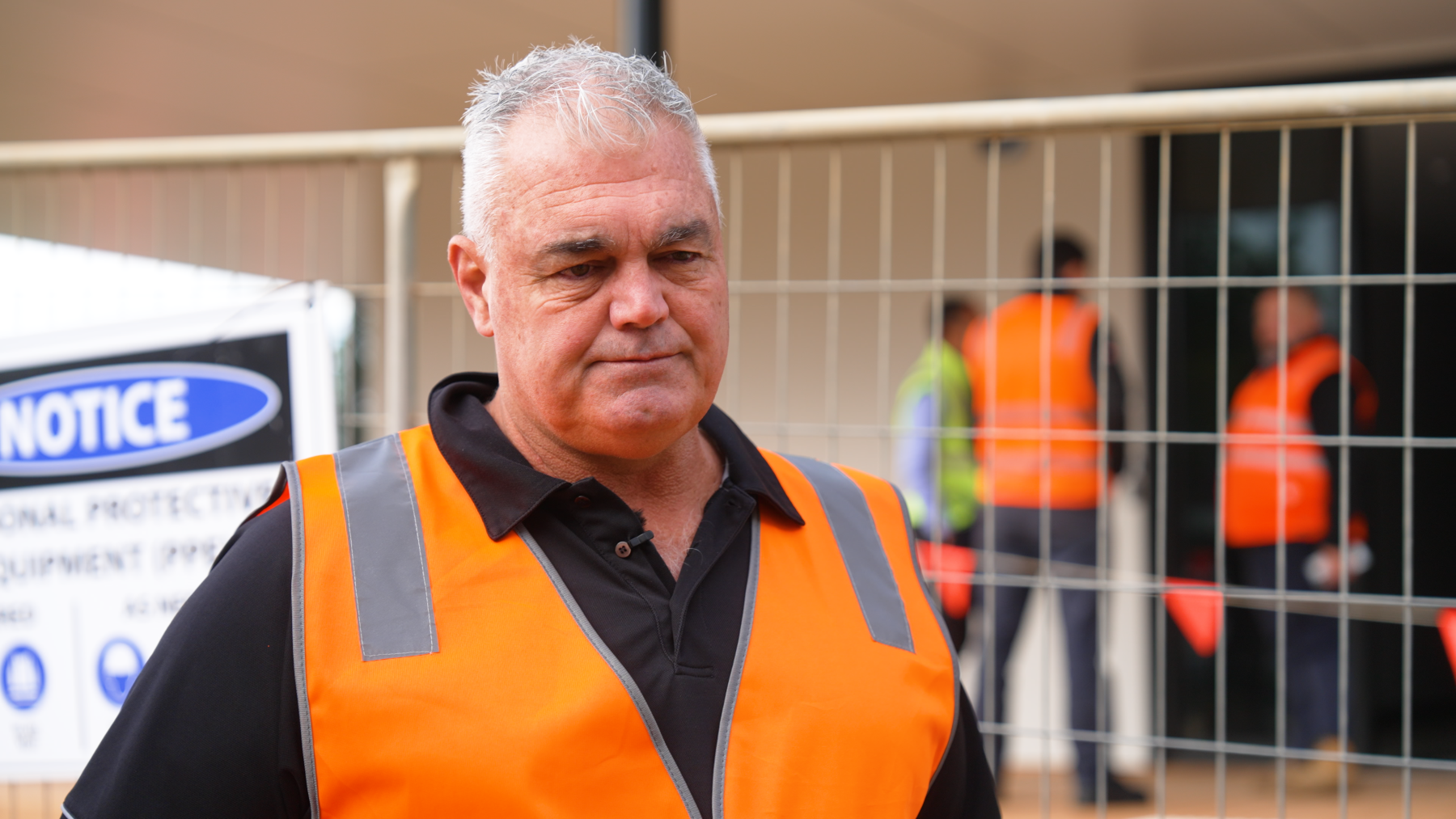
Toner Group CEO Chris Toner says private equity has made the business more productive
A second innings
When Straight Bat approached Chris to buy Toner Group, he was, by his own admission, tapped out.
“I’d taken the business as far as I could. I still wanted to work but private equity allowed me to set my family up and realise my dreams 10-15 years earlier.”
It has also taken Toner Group to new heights. The workforce has doubled to around 85.
This month, Toner Group inked its largest contract ever, a $4 million sub-contracting deal to build kindergartens in Victoria with Grove Group.
The business is primed to grow by 50 per cent in the next three years, despite a 60 per cent cost increase on PVC products due to the fuel crisis, and stiff competition from Melbourne’s data centre construction craze for staff.
“We’re more resilient, and better able to weather the ups and downs of the cycle under private equity,” Chris says.
Creating local jobs
Twins Rhys and Mitch Dempster have been there through the ups and downs.
Toner Group’s longest serving employees, Chris recruited the pair from the Narre Warren football club where he coached.
“He was my coach, now he’s my boss and my mentor,” says Mitch.
Recruiting from the local footy club is a hallowed tradition at Toner Group. In the 1990s recession, at the tender age of 21, Chris was retrenched. A mate from the local footy club took him under his wing and gave him a job. It’s a kindness Chris has never forgotten, and one he is determined to pay forward.
Toner Group’s workforce has doubled under private equity ownership. Mitch Dempster works in the office, and twin brother Rhys prefers the tools
As Toner Group has grown, so too have the opportunities for team members like Mitch. He has traded high viz for Helly Hansen and moved into an operational role in head office.
Rhys prefers being on the tools out on site. “I hate paperwork,” he says.
Even in the field Toner Group is pushing into new frontiers, expanding into modular building and modern methods of construction.
“It’s great we’re learning new skills and taking on bigger jobs,” says Rhys.
Business builders
Straight Bat is one of many private capital providers quietly backing over 2,200 start-ups and growth companies, supporting more than 700,000 jobs, and contributing $120 billion a year to the domestic economy.
But this community of business builders has been hit hard by the Government’s proposed changes to capital gains tax.
Like venture capital, private equity’s high-risk, high-reward model is predicated on access to the 50 per cent capital gains discount that puts it on competitive footing with peer economies such as the United States and the United Kingdom.
The replacement of the 50 per cent CGT discount with indexation, on investments with no or low-cost bases to index against, has taken the magic out of the model. That worries Chris.
“If you whack the capital allocators, that has a knock-on effect through this ecosystem of highly productive businesses. It will make capital more expensive,” he says.
The CGT changes also make it harder for Toner Group to attract top talent, which applies a handbrake to its growth ambitions.
Brain drain
Part of the magic of private equity-backed businesses is the equity offered to highly experienced specialists to supercharge growth or save a company from collapse. These individuals typically take a 20-30 per cent pay cut, sometimes as deep as 50 per cent, to participate in the upside of whatever they build.
It’s an enormous risk that often doesn’t pay off, according to executive recruiter, Jason Johnson.
It is how private equity, as supporters of growth businesses, compete with ASX-listed companies and multinational corporations for top talent.
“It’s not about protecting executives’ salaries, it’s about whether they choose to work on something risky that supports productivity and growth,” says Johnson.
The beauty of creating close alignment with growth objectives is that it fosters highly productive cultures. But under the proposed CGT changes, that could be a thing of the past.
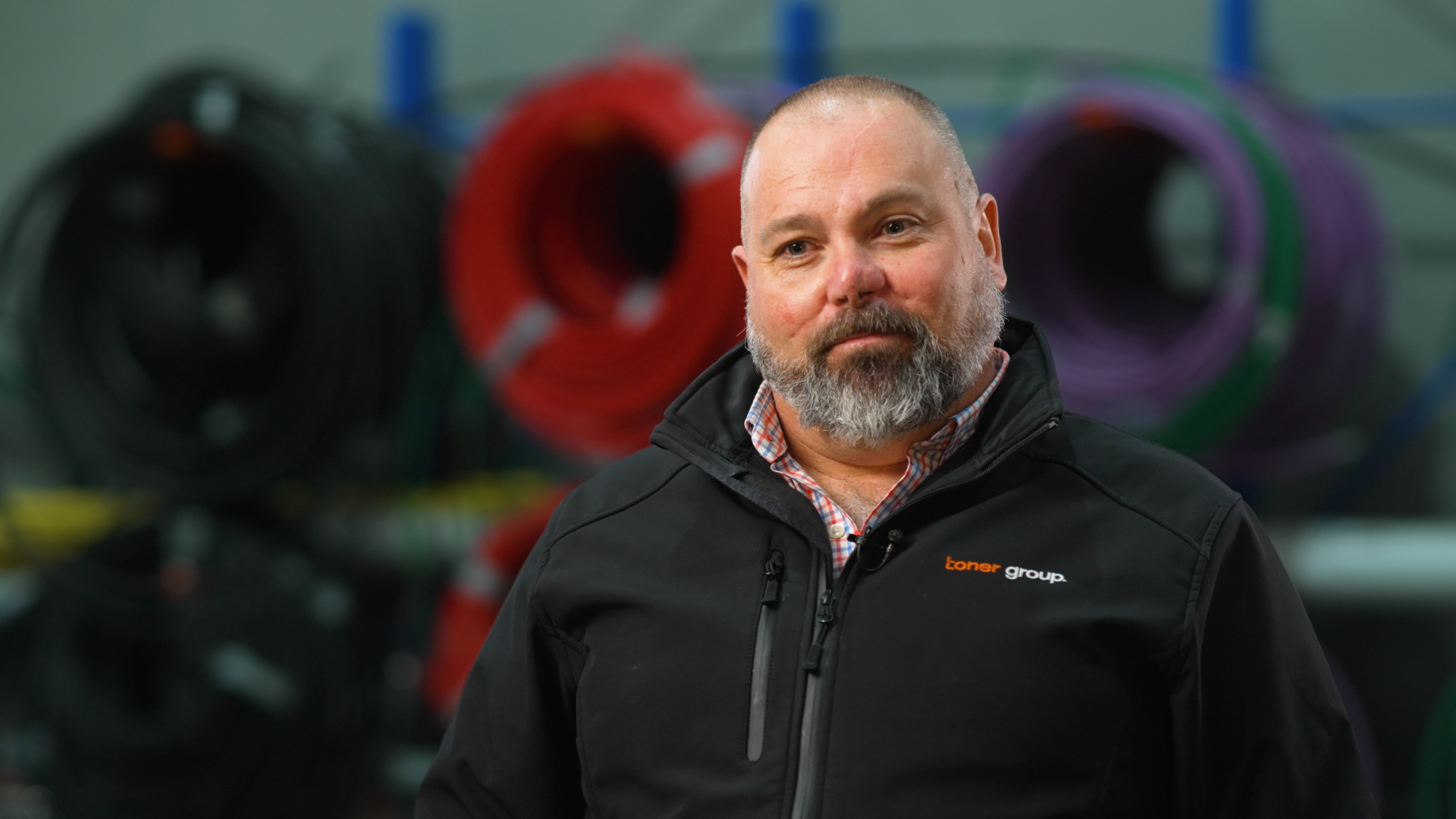
Paul Geraghty, Chief Operating Officer, joined Toner Group two years ago and his expertise is supercharging growth
“Private capital has been one of the most effective job creators in Australia, but it relies on alignment, and alignment depends on equity outcomes. Equity has been the great equaliser in attracting world-class executives into Australia’s growth economy, these capital gains tax changes risk weakening that advantage,” says Johnson.
Already Johnson is seeing international candidates pull out of recruitment processes for roles in Australia due to the proposed tax changes.
“Materially diluting the upside for the people responsible for creating enterprise value risks slowing the very engine of growth we should be trying to accelerate,” he says.